Storage for Wholesalers and Retailers: A 2026 Saudi Guide
Finding reliable Storage for Wholesalers and Retailers has become one of the biggest operational decisions for trading businesses across the Kingdom in 2026. As distribution networks expand and consumer demand grows, wholesalers and retailers in Saudi Arabia need warehousing that keeps goods safe, organized, and ready to move. This guide breaks down what to look for, how pricing works, and the practical steps to pick space that actually fits your inventory.
Whether you run a fast-moving consumer goods operation in Riyadh or a regional retail chain, the right storage partner reduces waste, speeds up order fulfillment, and protects your margins. Let us walk through the essentials.
Why Storage for Wholesalers and Retailers Matters More in 2026
Saudi Arabia’s retail sector keeps accelerating. Non-oil activity and rising household spending, tracked by the General Authority for Statistics, continue to push demand for warehouse capacity in major cities. For wholesalers moving pallets in bulk and retailers restocking shelves weekly, storage is no longer a back-office cost. It is a competitive advantage.
Modern warehousing does three things at once. It protects stock from heat and humidity, keeps inventory traceable, and positions goods close to where customers buy. When those three line up, you ship faster and spend less.
The Hidden Cost of Poor Warehousing
Damaged packaging, misplaced SKUs, and slow retrieval quietly drain profit. A disorganized warehouse adds hours to every order. Over a year, that lost time can equal the salary of a full-time employee. Good storage design pays for itself.
Types of Storage Wholesalers and Retailers Use
Not every product needs the same environment. Choosing the correct category is the first step toward efficient operations. Here are the most common options available to Saudi businesses today.
- Dry storage — ambient, non-refrigerated space for packaged goods, textiles, electronics, and shelf-stable products.
- Chilled and cold storage — temperature-controlled rooms for perishables and pharmaceuticals.
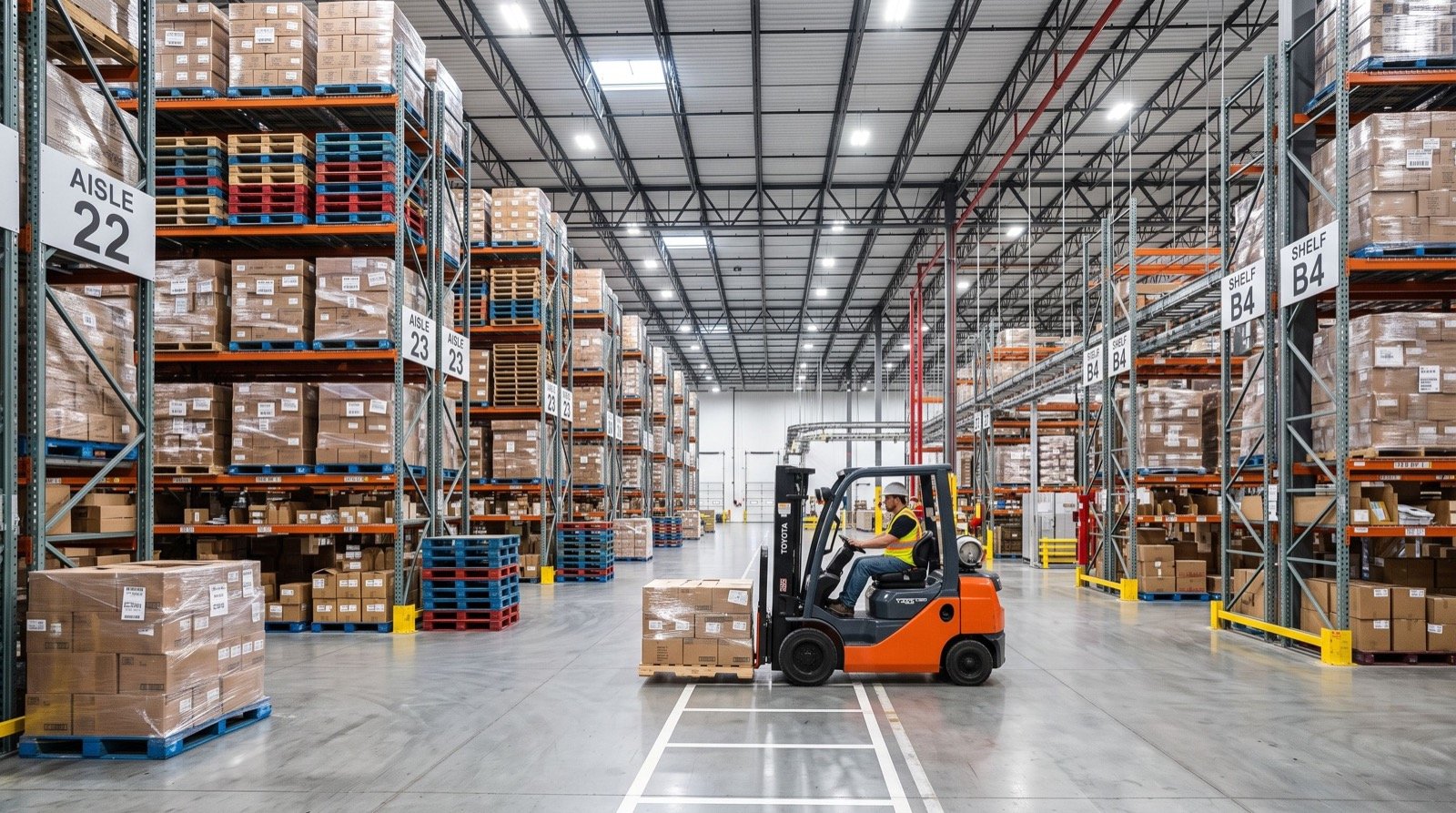
- Bulk pallet storage — high-rack racking for wholesalers moving large volumes.
- Pick-and-pack units — smaller bays for retailers fulfilling individual orders.
Many trading companies combine categories. A homeware distributor might keep most inventory in ambient bays while reserving a small chilled room for candles or cosmetics sensitive to heat. Flexible providers let you mix and scale as seasons change.
If you are weighing a dedicated facility, explore purpose-built Storage for Wholesalers and Retailers that is designed around trading workflows rather than generic box storage.
What Is the Best Dry Storage Option for Riyadh Businesses?
Riyadh’s climate makes ambient conditions a real consideration. Summer temperatures stress poorly insulated units, and that heat degrades adhesives, packaging, and some plastics. Quality Dry Storage in Riyadh solves this with insulated walls, ventilation, and racking that keeps stock off the floor and away from moisture.
When comparing dry storage, ask about these factors:
- Ceiling height and racking configuration for vertical efficiency.
- Loading-dock access and turnaround time for trucks.
- Security, including CCTV, access control, and fire suppression.
- Contract flexibility for peak seasons like Ramadan and back-to-school.
Comparing Storage Options at a Glance
The table below summarizes how the main storage types stack up for typical wholesale and retail needs in 2026.
| Storage Type | Best For | Temperature | Typical Use Case |
|---|---|---|---|
| Dry / Ambient | Packaged goods, textiles | Room temperature | Retail restocking |
| Chilled | Perishables, cosmetics | 2–8°C | Food distribution |
| Bulk Pallet | High-volume wholesale | Ambient | Importers and distributors |
| Pick-and-Pack | E-commerce orders | Ambient | Online retailers |
How to Choose a Storage Partner
Location, price, and security always matter. But experienced operators look deeper. They evaluate the team running the facility, the technology tracking inventory, and the service guarantees behind the contract.
Start by shortlisting quality service providers with a proven record in your product category. A provider that understands fast-moving retail will structure space very differently from one built for long-term archival storage.
Questions to Ask Before You Sign
- How quickly can I scale space up or down?
- What inventory-management system do you use, and can I access it remotely?
- Are there extra fees for handling, pallet entry, or after-hours access?
- What insurance covers my stock while it is on site?
Clear answers signal a mature operation. Vague ones are a warning. The best partners welcome these questions because transparency is part of their value.
Practical Tips From the Warehouse Floor
After years working alongside distributors, a few lessons stand out. First, label everything with scannable barcodes from day one. Retrofitting a labeling system later is painful. Second, keep your fastest sellers nearest the dispatch door to cut picking time. Third, audit stock monthly rather than annually so shrinkage never surprises you.
One original insight many managers miss: align your storage contract with your cash-flow calendar, not just your inventory volume. Paying for peak capacity year-round wastes money when demand swings seasonally. A flexible agreement that breathes with your sales cycle protects both your stock and your budget.
These habits reflect the efficiency goals set out in Saudi Vision 2030, which prioritizes a stronger logistics and distribution backbone across the Kingdom.
Frequently Asked Questions
How much does Storage for Wholesalers and Retailers cost in Saudi Arabia?
Pricing depends on space, location, and whether you need temperature control. Ambient bays cost less than chilled rooms, and flexible month-to-month contracts carry a small premium over long-term leases. Request a tailored quote based on your pallet count and turnover.
Is dry storage suitable for electronics and textiles?
Yes. Dry storage with proper insulation and ventilation is ideal for electronics, clothing, and most packaged goods, as long as the facility controls humidity and keeps stock off the floor.
Can retailers rent smaller units instead of full warehouses?
Absolutely. Many providers offer scalable units and pick-and-pack bays so small and mid-sized retailers only pay for the space they actually use.
How fast can I access my inventory?
Quality facilities offer same-day or scheduled access with trained staff and clear dock procedures, so orders move without delay even during peak seasons.
Final Thoughts
Choosing the right Storage for Wholesalers and Retailers is a strategic move, not a simple rental. In 2026, with Saudi retail growing fast, the businesses that win are those that store smart, ship quickly, and partner with operators who understand their trade. Evaluate your product mix, demand the right questions, and pick space that scales with you. Ready to protect your inventory and speed up fulfillment? Compare your options today and secure storage built for how wholesalers and retailers really work.