Drive Thru System in Pakistan: The 2026 Speed Guide
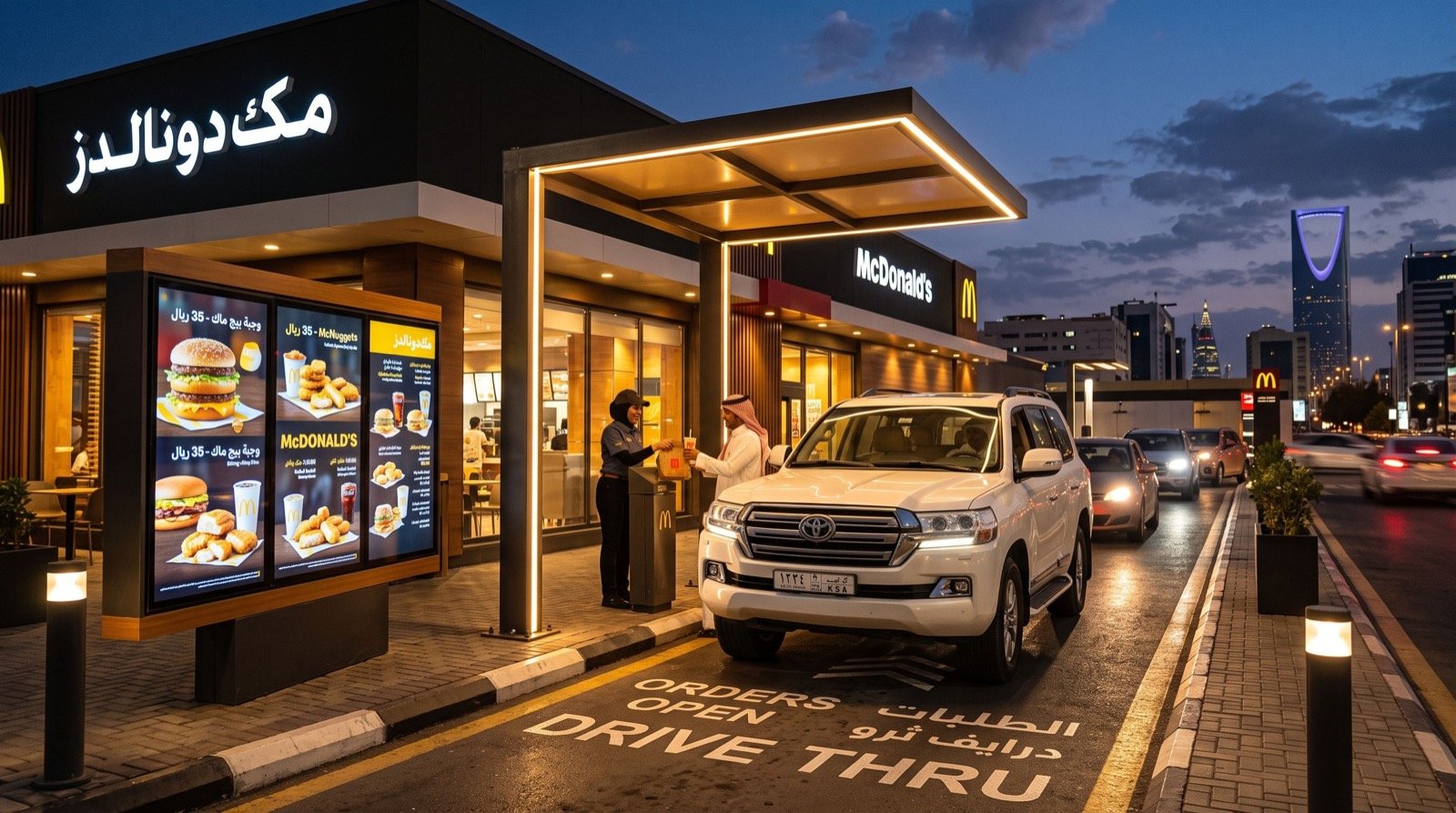
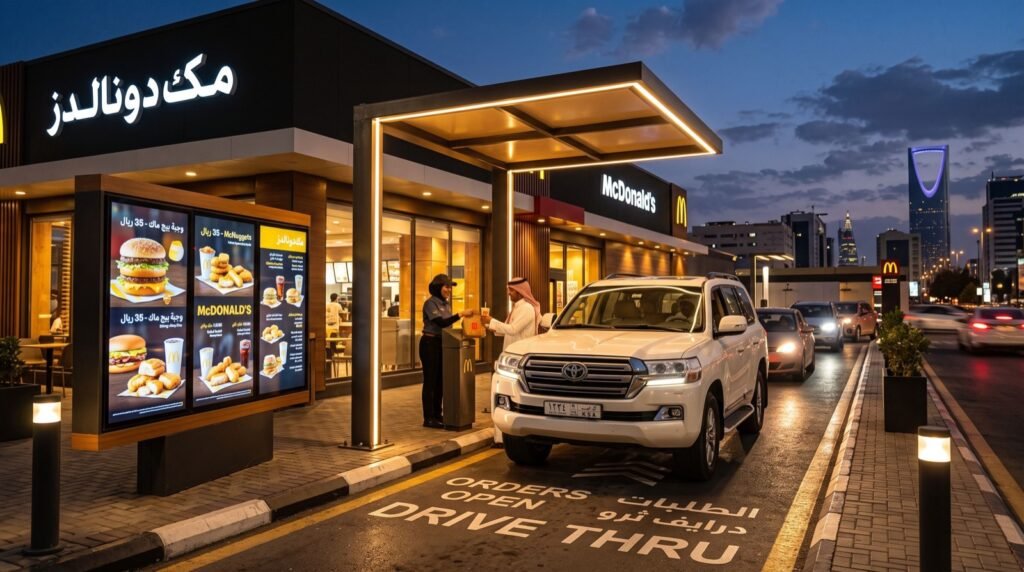
A well-built drive thru system is the difference between a lane that flows and a lane that spills onto the main road. As Pakistani quick-service brands expand across Lahore, Karachi, and Islamabad, the drive-thru has moved from a nice-to-have to the single most profitable square meters on the lot. In 2026, speed of service is a brand promise, and the technology behind the lane is what keeps that promise.
This guide is for restaurant owners, pharmacy chains, and coffee operators who want to cut seconds off every order without sacrificing accuracy. We will cover the hardware, the lane design, the metrics, and the common mistakes that quietly cost sales.
Why a drive thru system wins in Pakistan’s 2026 market
Customers who choose a lane are choosing convenience above all else. If your order-to-handoff time creeps past a few minutes, they remember it, and they tell others. The economics are brutal and simple: every extra car you serve per hour at peak is direct, high-margin revenue.
A purpose-built Drive Thru System in pakistan ties together order confirmation screens, timers, and staff headsets so nothing falls through the cracks during the lunch rush. The result is a lane that feels effortless to the customer and fully visible to the manager.
The cost of a slow lane
Slow lanes do not just annoy drivers; they physically block new arrivals from joining. One stalled car at the order point can hide five more who simply drive past. Fixing flow is the cheapest growth lever most operators ignore.
Anatomy of a modern lane
Great drive-thrus share a common toolkit. Knowing each piece helps you spec a build without overpaying.
- Order confirmation display: shows items and price so errors surface early.
- Two-way audio: clear headsets cut repeat-backs and mishears.
- Lane timers: measure each stage from greet to handoff.
- Vehicle detectors: trigger timing the instant a car arrives.
- Digital menu boards: update pricing and promos remotely.
Modern Drive Thru Systems bundle these into one dashboard, so a regional manager can compare lane performance across every branch from a single screen.
How can you make your drive thru faster?
Speed is a chain, and the chain is only as fast as its slowest link. Attack the bottleneck you can measure, not the one you assume. Most Pakistani operators discover the delay is at payment or bagging, not at the order point.
Here is a practical sequence that works on real lots:
- Measure every stage for one full week before changing anything.
- Pre-stage popular items during known rush windows.
- Split payment and pickup into separate windows where space allows.
- Script the greeting so cars are acknowledged within five seconds.
- Review timer data daily and coach the team on the weak stage.
Small, data-led tweaks beat expensive rebuilds. A disciplined team with good timers often outperforms a lavish lane run on guesswork.
Single lane versus dual lane
Lot size and traffic decide your layout. Use this comparison to brief your installer before pouring concrete.
| Factor | Single lane | Dual lane |
|---|---|---|
| Space needed | Compact | Wider footprint |
| Peak throughput | Moderate | High |
| Order accuracy | Simple to manage | Needs merge logic |
| Best for | Neighborhood branches | Highway and flagship sites |
| Build cost | Lower | Higher upfront |
Dual lanes shine on busy arterial roads, while a tuned single lane serves a residential catchment beautifully. Match the model to the traffic, not to the brand next door.
Connectivity keeps the lane honest
Headsets, screens, and timers all depend on stable communications. Reliable in-store networking and clear voice hardware prevent the dropouts that cause mis-orders. When you upgrade your lane, lean on quality service providers for the voice and network backbone that keeps staff in sync.
Accuracy matters as much as speed
A fast wrong order is still a wrong order, and remakes destroy your timing gains. Order confirmation screens cut errors because the customer sees the order before paying. Food-safety discipline matters too; guidance from the U.S. Food and Drug Administration on safe handling is a useful benchmark for any 2026 QSR operation serving hot items at speed.
Train staff to confirm modifications verbally and on screen. The two-channel check catches the mistakes that a single channel misses, and it protects your review scores.
Staffing and layout decide your ceiling
Technology sets the stage, but people and concrete set the limit. A brilliant lane staffed by two overwhelmed team members will still stall at peak. Plan your roster around the timer data, not around habit, and you will find hidden capacity you already own.
Layout matters just as much. The distance between the order point and the pickup window should give the kitchen enough runway to prepare an order before the car arrives. Too short, and cars wait at the window; too long, and the lot cannot hold the queue. Balance is everything.
A 2026 example from Karachi
One coffee operator in Karachi moved payment to a dedicated window and added a second order-taker on a tablet during the morning rush. Cars served per hour rose sharply, and the team reported less stress because the workload was finally split sensibly across stages.
The practical insight is that the fix rarely requires new concrete. Re-sequencing tasks and adding one mobile order-taker at peak often unlocks more throughput than any structural change, at a fraction of the cost.
One tip that pays for itself
Post a visible countdown goal for the team during each rush. When staff can see the target handoff time, friendly competition keeps the lane sharp, and the data proves whether the goal is realistic week to week.
Frequently Asked Questions
How long should a drive thru system take per car?
Elite lanes aim for under three minutes from greet to handoff at peak. The exact target depends on menu complexity, but consistent timing matters more than a single fast car.
Can a drive thru system work for pharmacies and banks?
Yes. Pharmacies, banks, and even document-collection services in Pakistan use lanes with the same order, confirm, and handoff logic, adapted to their transaction type.
Do I need digital menu boards?
They are not mandatory, but they let you change pricing and promotions instantly across branches, and they improve readability at night, which lifts upsell rates.
What is the first upgrade to make in 2026?
Install reliable lane timers first. You cannot improve what you cannot measure, and timer data quickly pays for the rest of the system.
Conclusion and next step
A smart drive thru system turns your lane into a predictable, high-margin asset, and in 2026 Pakistani customers reward the brands that respect their time. Start by measuring, fix the real bottleneck, and build accuracy into every handoff.
Ready to speed up your lane? Request a site assessment, benchmark your current timings, and let a local specialist design a flow that fits your lot. Get started today.