Solar Panels in Sialkot: Industrial Guide for 2026
Sialkot runs on small workshops and export-driven factories, and every hour of electricity downtime costs real production time. That is one reason demand for solar panels in Sialkot has grown fast among sports goods, surgical instrument, and leather exporters who need steady power to meet shipping deadlines in 2026.
Four hundred kilometres southwest, Quetta faces a very different energy picture, with colder winters, higher altitude sun exposure, and a less reliable grid connection than most provincial capitals. This guide covers both cities, since the right solar setup looks quite different depending on climate and load type.
Beyond sizing and climate, buyers in both cities also need to think about financing, ongoing maintenance, and how to tell a serious installer from one offering an unrealistically cheap quote. Those practical questions matter just as much as the technical specifications most marketing material focuses on.
Why Solar Panels in Sialkot Appeal to Exporters and Homeowners Alike
Factory owners in Sialkot often run compressors, stitching machines, and cutting equipment through the day, which makes daytime solar generation a natural match for their usage pattern. Unlike homes that use most power in the evening, workshops consume electricity exactly when panels produce the most.
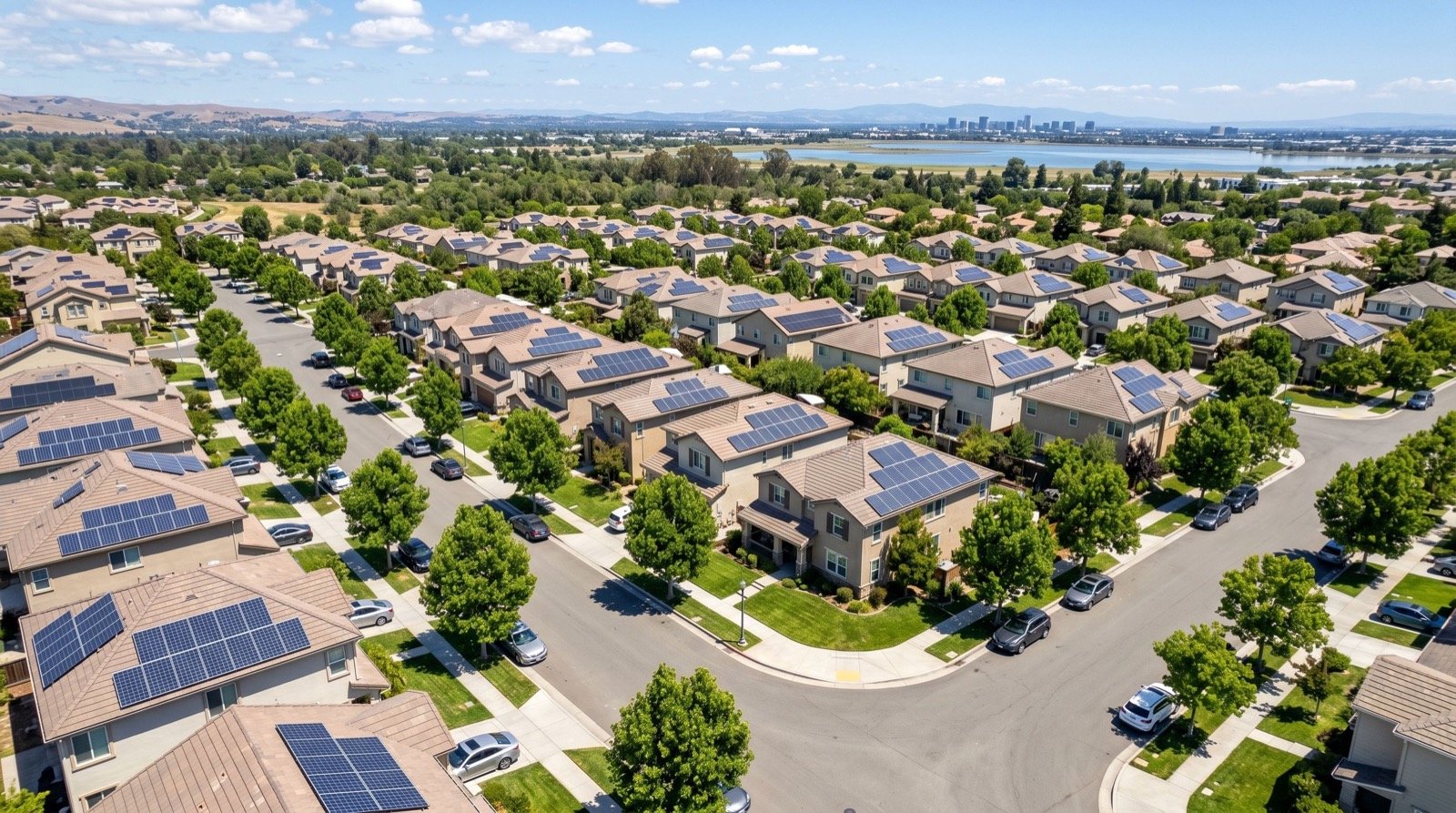
Homeowners benefit too, especially in neighbourhoods where grid voltage fluctuations are common during peak summer demand. A correctly sized system smooths out some of that instability by reducing how much power the home actually draws from the grid.
- Daytime production matches factory shift timing almost perfectly
- Reduced dependence on diesel generators during voltage drops
- Lower per-unit production cost for export-focused manufacturers
- Faster payback for businesses with high daytime electricity use
What Size Solar System Does a Sialkot Workshop or Home Need?
A small home typically needs 3 to 5 kW, while a workshop running multiple machines can require anywhere from 10 kW upward. The table below gives a rough starting point for 2026 pricing and expected monthly savings.
| System Size | Typical User | Approx. Monthly Savings |
|---|---|---|
| 5 kW | Home or small shop | Rs 22,000 – 35,000 |
| 10 kW | Small workshop | Rs 45,000 – 70,000 |
| 20 kW | Mid-size factory floor | Rs 90,000 – 140,000 |
These numbers assume consistent daytime operating hours, which is common across most Sialkot workshops but should still be confirmed against your own electricity bills before committing to a system size.
Quetta’s Climate: Why a Solar Company in Quetta Faces Different Challenges
Quetta sits at a much higher elevation than Sialkot, which means stronger ultraviolet exposure but also colder nights and occasional snow in winter. Panels generally perform well in cold, sunny conditions since efficiency actually improves at lower temperatures, but mounting systems need to account for snow load and wind in a way Punjab installers rarely plan for.
A reputable solar company in Quetta will factor in these differences rather than applying a one-size-fits-all design pulled from lowland provinces. Research from the National Renewable Energy Laboratory on panel temperature coefficients confirms that cooler climates can actually boost output per panel, which works in Quetta’s favour for most of the year.
Grid-Tie, Hybrid, or Off-Grid: Matching the System to the City
Sialkot’s Industrial Load Profile
Most Sialkot workshops do best with a grid-tie or hybrid system sized to daytime load, since production hours already align with peak solar output. Adding batteries mainly helps when short grid outages interrupt sensitive machinery mid-cycle.
Quetta’s Altitude and Cold-Weather Considerations
In Quetta, off-grid or hybrid setups are more common in areas where the grid connection itself is less consistent. Battery backup becomes less of a luxury and more of a practical necessity for households that lose power during winter storms.
Data published by the Pakistan Council of Renewable Energy Technologies highlights Balochistan’s strong overall solar potential despite its harsher winters, reinforcing that climate alone should not discourage adoption in the province.
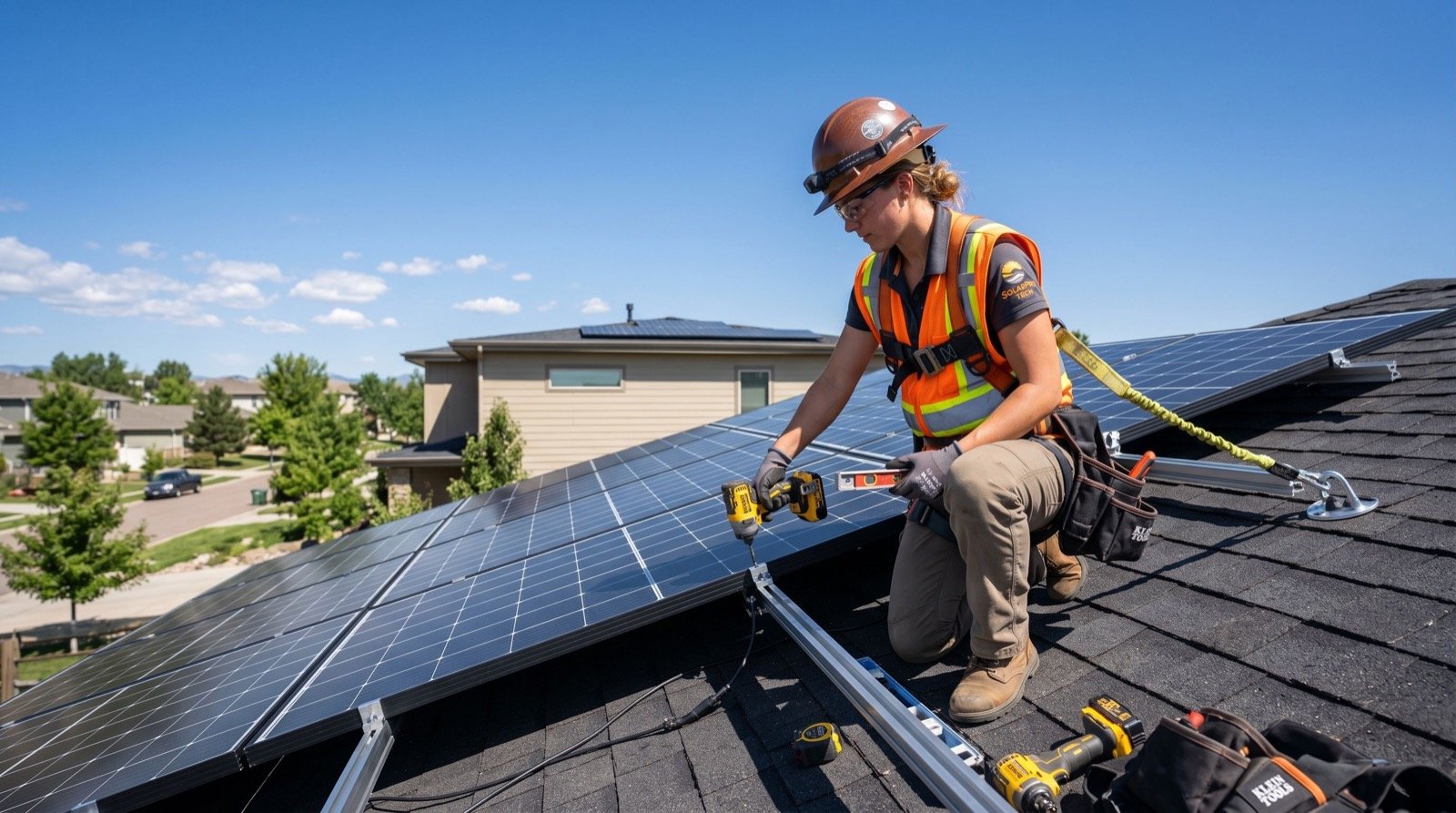
Across both cities, the deciding factor usually comes down to finding quality service providers who understand local conditions rather than copying a generic national template. Teams offering solar panels in Sialkot and a dedicated solar company in Quetta that each specialise in their region’s conditions tend to deliver more accurate, realistic quotes.
Maintenance and Financing Considerations for Industrial and Residential Buyers
Factory owners in Sialkot should budget for a basic maintenance contract rather than treating solar as a one-time purchase. Cleaning schedules, inverter firmware checks, and annual connection inspections keep a system performing close to its rated output for its full 25-year lifespan.
Financing for industrial-scale systems usually differs from residential loans. Many Sialkot exporters structure solar purchases through equipment leasing or supplier-financed installment plans tied to production output, since export revenue cycles do not always line up neatly with a fixed monthly loan payment.
In Quetta, financing options are still catching up compared with Punjab’s more competitive solar market, though several national installers now extend the same installment plans to Balochistan clients. Homeowners there should ask specifically whether a quoted price includes the extra mounting hardware needed for wind and snow load, since this is a common place vendors shave cost on a cheap-looking quote.
A practical tip worth remembering: request a performance guarantee stated in actual kilowatt-hours per year, not just a percentage efficiency figure, since a percentage number alone is nearly meaningless without knowing the baseline it is measured against.
Frequently Asked Questions
Do solar panels in Sialkot need extra protection from factory dust and fumes?
Workshops near dyeing or finishing units should plan for more frequent panel cleaning, since airborne particulates settle faster than in purely residential areas.
Does snow in Quetta damage solar panels?
Modern panels are built to handle moderate snow load, and the tempered glass surface is designed to withstand hail and light impact. Mounting angle is adjusted during installation to help snow slide off faster.
Can a workshop combine solar with an existing generator setup?
Yes, many Sialkot factories run a hybrid arrangement where solar covers daytime baseline load and the generator remains as backup for extended outages or cloudy stretches.
How long do panels typically last in Quetta’s climate?
Most manufacturers rate panels for 25 years of performance, and cooler average temperatures in Quetta can help panels retain efficiency slightly longer than in hotter lowland cities.
Whether your priority is keeping a Sialkot production line running through grid instability or finding a solar company in Quetta that understands altitude and cold-weather design, the right system comes down to matching equipment to real local conditions. Request a detailed load assessment in 2026 before choosing equipment, and confirm warranty terms in writing from whichever installer you pick.