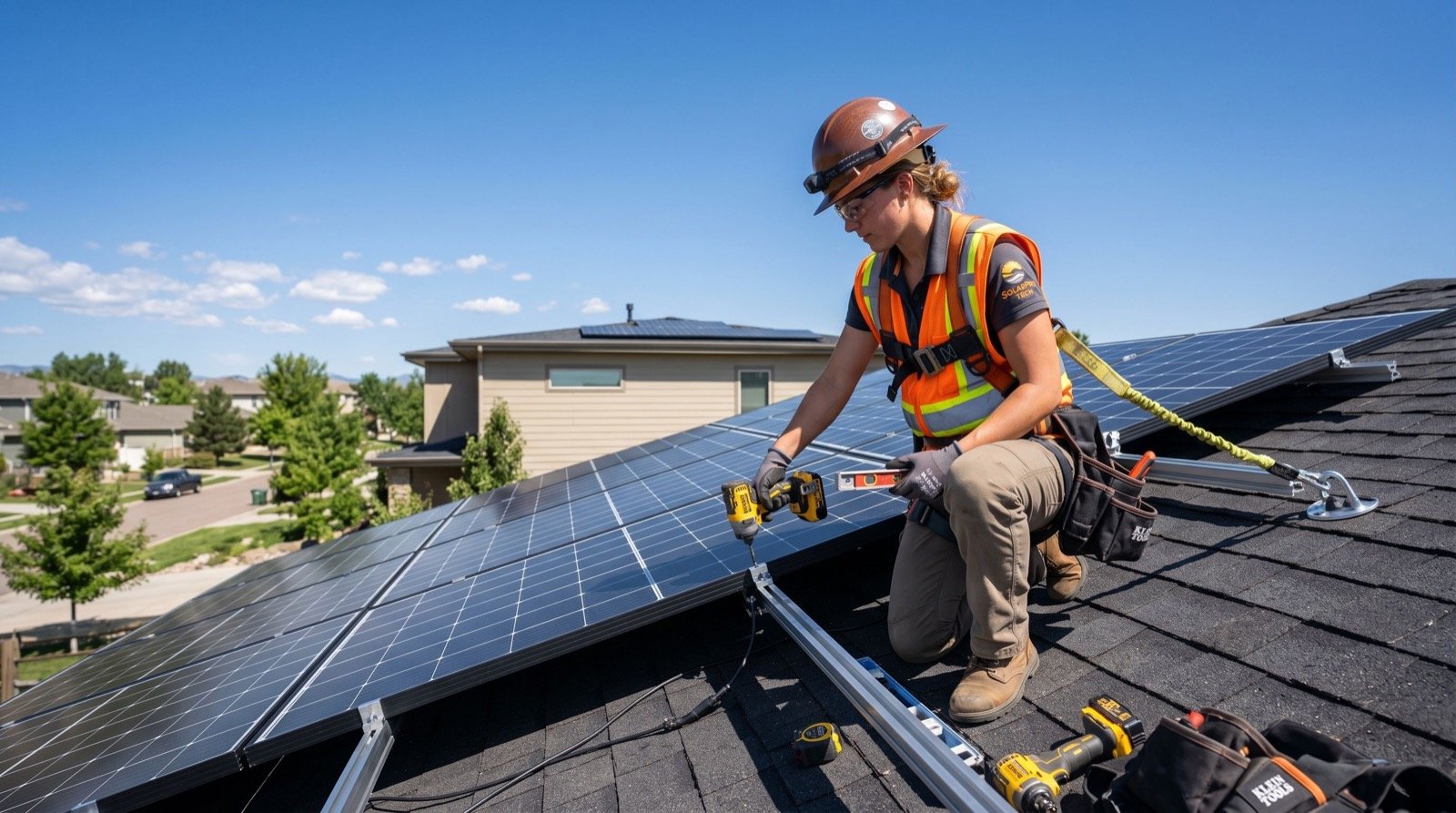

Solar Products in Pakistan: 2026 Buyer’s Checklist
Walk into any solar market and you will meet a wall of boxes: panels, inverters, batteries, charge controllers, breakers, cables and brackets. Knowing which solar products in Pakistan deserve your money, and which are just filler, is the difference between a system that quietly runs for decades and one that keeps calling you back.
This 2026 checklist goes component by component. It focuses on what to inspect, what to ask and what to skip, so you can shop with a plan. You can also browse the full range at solar products in Pakistan catalogue pages to compare specifications side by side.
Start With the Load, Not the Product
Many buyers start by picking a brand. A better start is a list of what you want to power. Write down each appliance, its wattage and the hours you use it each day.
Add the numbers and you get two figures that drive every purchase: your peak load in watts and your daily energy in kilowatt-hours. Without these, any recommendation is a guess.
Quick load example for a small shop
- Two ceiling fans at 75W for 10 hours each
- Ten LED lights at 12W for 10 hours
- One inverter air conditioner averaging 900W for 6 hours
- Computer, printer and router drawing about 300W for 9 hours
That adds up to roughly 10 kWh a day, with a peak close to 2 kW. A system for this shop would be much smaller than one for a villa, and buying oversized equipment would simply waste capital.
The Core Components Explained
| Product | Job in the system | Key spec to check | Typical lifespan |
|---|---|---|---|
| Solar panel | Converts sunlight to DC power | Wattage, efficiency, warranty | 25 years or more |
| Inverter | Converts DC to usable AC power | Rated output, surge, MPPT range | 8 to 12 years |
| Battery | Stores energy for night and outages | Usable kWh, cycle life, chemistry | 6 to 15 years |
| Mounting structure | Holds panels securely on the roof | Material, thickness, wind rating | 20 years or more |
| DC and AC cables | Carry current safely | Cross-section, UV rating | 20 years or more |
| Protection devices | Guard against surges and faults | DC breaker, SPD, earthing | 10 years or more |
Panels: Read the Datasheet, Not the Sticker
The label on the back lists power, but the datasheet tells you about temperature coefficient, degradation and certifications. Pakistan’s summer roofs can reach 65 degrees Celsius, so a lower temperature coefficient means less output lost to heat.
Check for visible defects before accepting delivery: micro-cracks, bent frames, discoloured cells or scratched glass. Take photos at handover to protect your warranty claim.
Inverters and Batteries: Match the Pair
Inverters and batteries must speak the same language. A battery with a built-in management system talks to the inverter over a communication cable, and mismatches cause shutdowns or limited charging.
Ask the seller for a list of tested battery brands for the inverter you like. If they cannot provide one, expect trouble later.
Lithium or lead acid?
- Lithium iron phosphate: higher upfront price, deeper discharge, long life and almost no upkeep.
- Tubular lead acid: cheaper to buy, needs topping up with water and replacement sooner.
- Budget rule: if you cycle the battery daily, lithium usually wins over its lifetime.
The Small Parts That Cause Big Failures
Installers often save money on items customers never see. Thin cables overheat. Cheap DC breakers fail to interrupt an arc. Low-quality MC4 connectors loosen and burn.
When we review failed systems, the culprit is rarely a panel. It is most often a loose connector, an undersized cable, or a missing surge protector. So spend a few minutes checking these parts on your quotation.
- Confirm the cable cross-section for both DC and AC runs.
- Ask for UV-resistant, solar-rated DC cable.
- Check that connectors are from one matched brand and crimped properly.
- Request a DC surge protection device and a dedicated earthing pit.
- Look for labelled breakers and a tidy distribution board.
How to Verify Quality Before You Pay
Independent research from a national laboratory is a good place to understand how components age. The National Renewable Energy Laboratory solar research pages explain performance, reliability and degradation in plain terms and help you judge claims made in sales brochures.
At the shop, request serial numbers, original packing and warranty cards. Photograph them together. Real stock carries consistent batch labels, while counterfeit boxes often show misspelled text or mismatched barcodes.
Buying Strategy: All at Once or in Stages?
You can phase a system if cash is tight. Start with a hybrid inverter that supports future expansion, install a modest panel array now, and add batteries later when prices or needs change.
The catch is that components must be compatible from the start. Plan the final system on paper first, then buy in order. Otherwise, early purchases may become obsolete or too small to reuse.
Documents to Keep for the Next 25 Years
Solar is a long-term asset, so treat paperwork like part of the hardware. Store the invoice, serial numbers, single-line wiring diagram and warranty cards in one folder, and keep a photo copy on your phone.
When you request support from a supplier such as M-Tech Solar Solutions, having these documents ready speeds up any claim. It also adds resale value if you sell the property, because a buyer can see exactly what was installed and when.
- Dated invoice listing every component and quantity.
- Commissioning report with initial voltage and current readings.
- Photos of the finished roof, wiring and earthing pit.
- Contact numbers for warranty and technical support.
Frequently Asked Questions
Which solar products in Pakistan should I never compromise on?
Do not compromise on the inverter, protection devices and cables. These parts affect safety and reliability more than the exact panel brand.
How can I tell if a solar panel is genuine?
Check the serial number against the datasheet, inspect the packaging and confirm a named importer or distributor. If paperwork is missing, walk away.
Can I mix old and new panels?
It is possible only with careful design. Different wattage and voltage ratings drag down the stronger panels, so separate strings or a multi-MPPT inverter are needed.
Do I need a charge controller with a hybrid inverter?
Most hybrid inverters already include an MPPT charge controller. Standalone controllers are for older or specialised setups.
Wrapping Up Your Checklist
Smart shopping for solar products in Pakistan in 2026 means starting from your own load, matching each component, and checking the small parts as carefully as the big ones. Keep documents and photos safe, and insist on written warranties.
If you need guidance on putting everything together, consult reputable service experts who can survey your site, size the system correctly and support you long after installation.